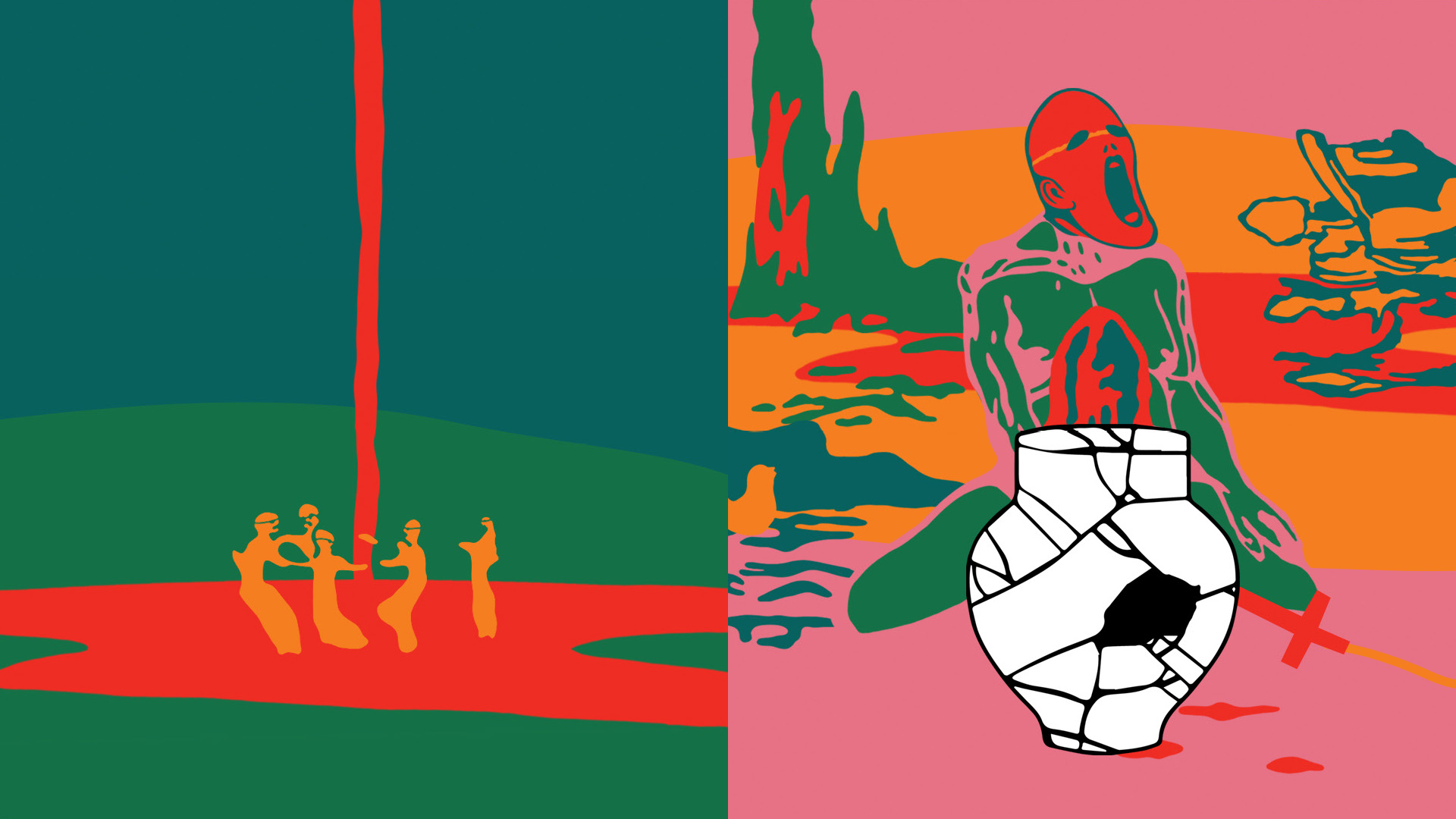
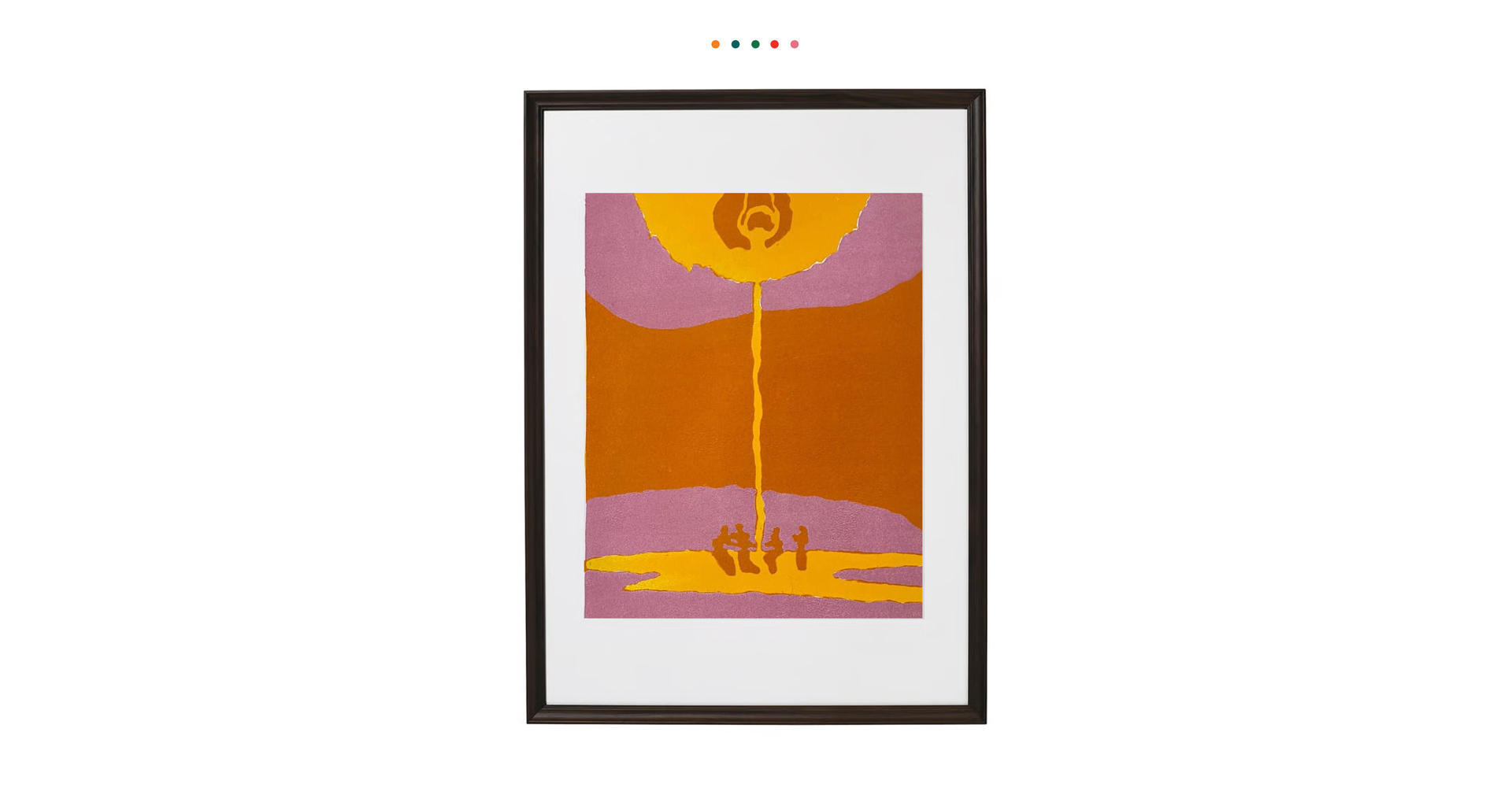
ALEGORÍA FANTÁSTICA DE UN PUCHERO QUEBRADO. Abundancia y los cuatro elementos, 2023

– Lidia de Pedro, Alcorcón, 1976 –

“A brief tale that narrates the journey of a broken Spanish pot, paying tribute to the women potters of Alcorcón, serving as a humble memory exercise.”
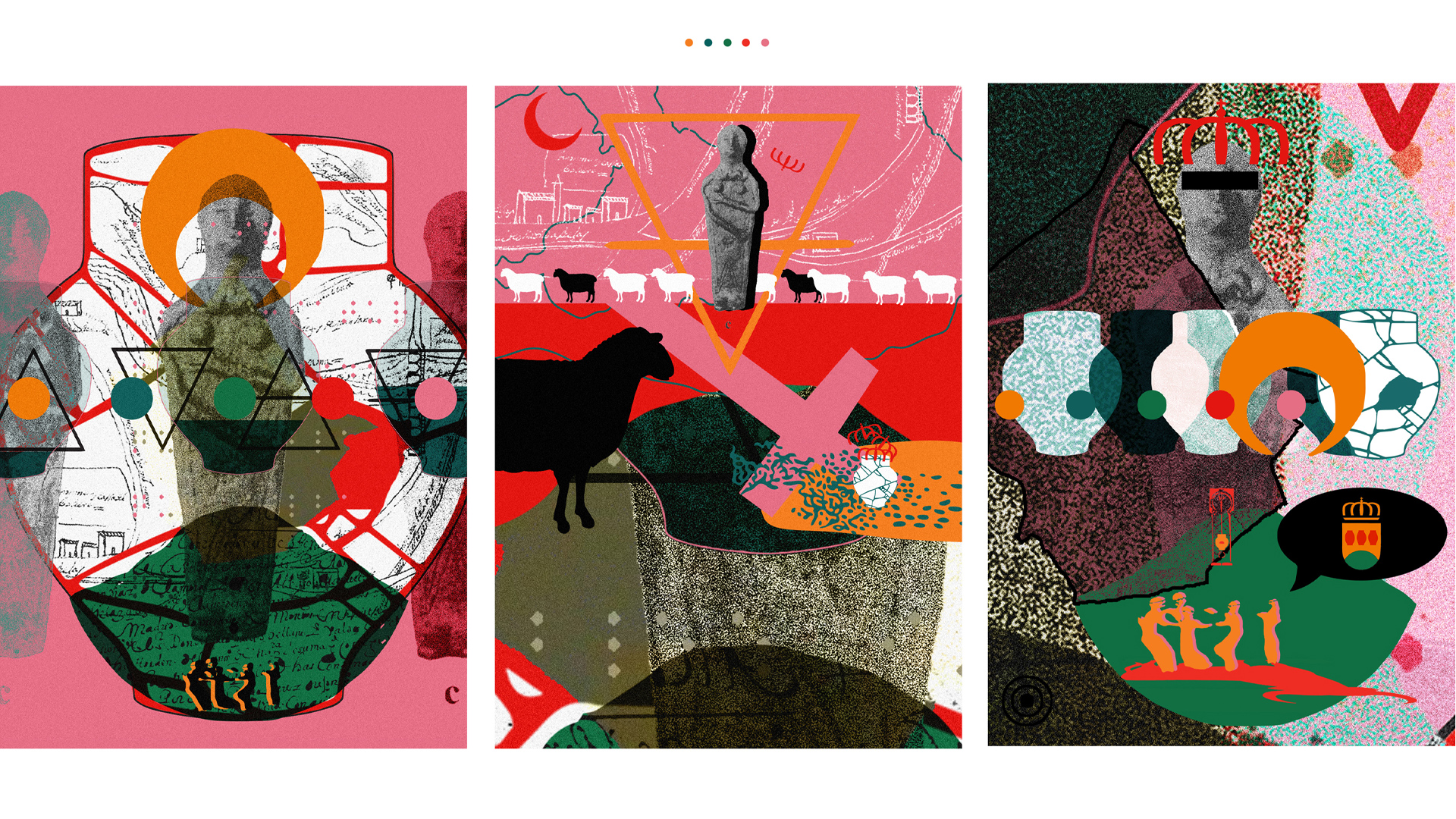
The first medieval mention of Alcorcón is from the year 1208, mentioning the Cañada de Alcorcón as a sheep transit route and settlement of Spanish-Muslim potters.

Throughout history it passed through several hands of lords and kings, but it was always known for its pottery activity.

During the Modern Age, in the Topographical Relations of Philip II, Alcorcón is described as a town of potters who made wonderful and appreciated pots.

The official coat of arms of Alcorcón initially represented the Arab origin of the town, its location on a hill and its historical importance in pottery and ceramics.

It showed a green hill with bushes, a potter’s wheel, a crescent moon and a royal crown.
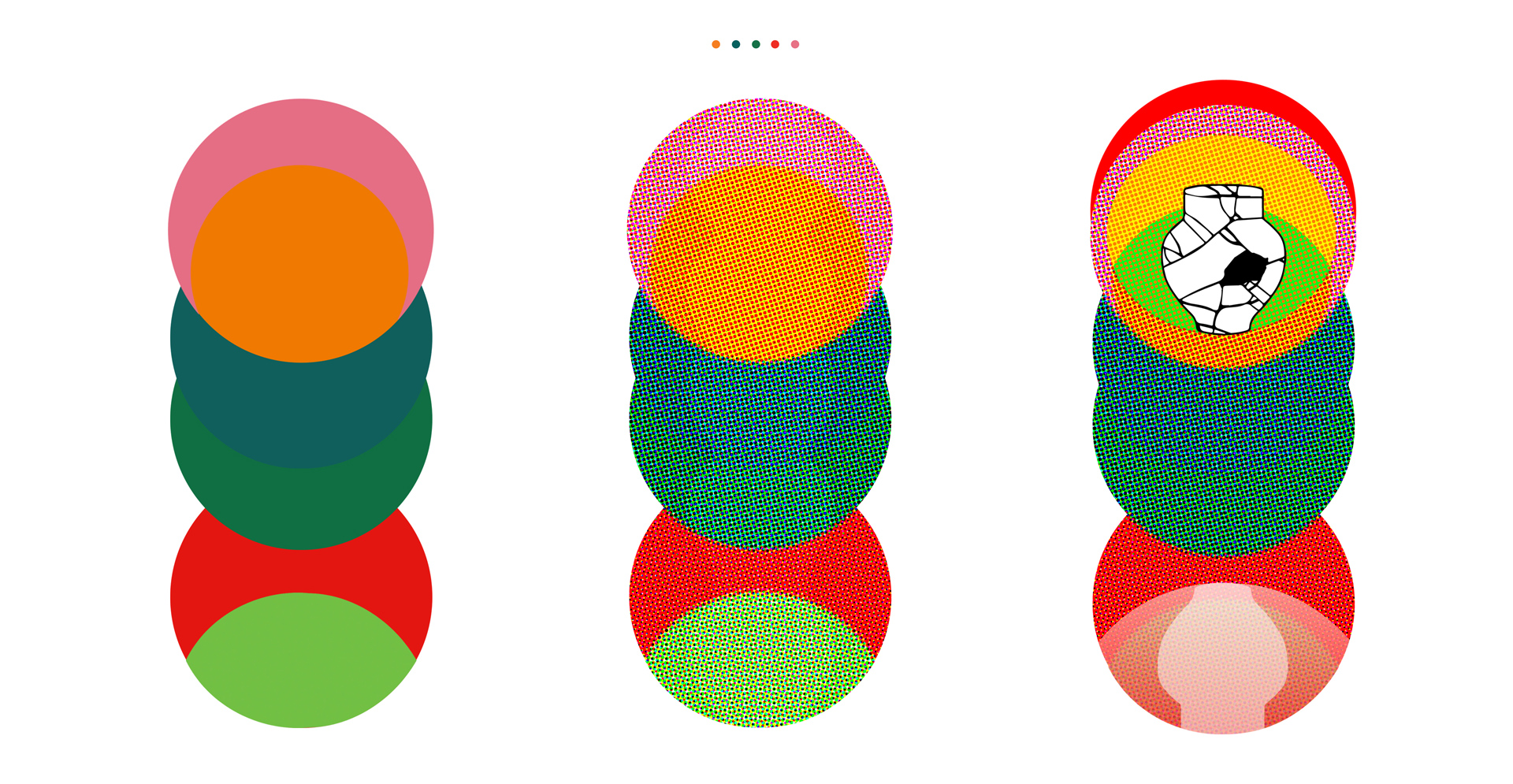
LOS CUATRO ELEMENTOS
I
PUCHERO DE ALCORCÓN
Tierra

«Los objetos de la tierra nos devuelven
el eco de nuestra promesa de energía.
Desde el momento en que le devolvemos todo su onirismo,
el trabajo de la materia despierta en nosotros
un narcisismo de nuestro valor».

“La tierra y los ensueños de la voluntad ”
Gastón Bachelard
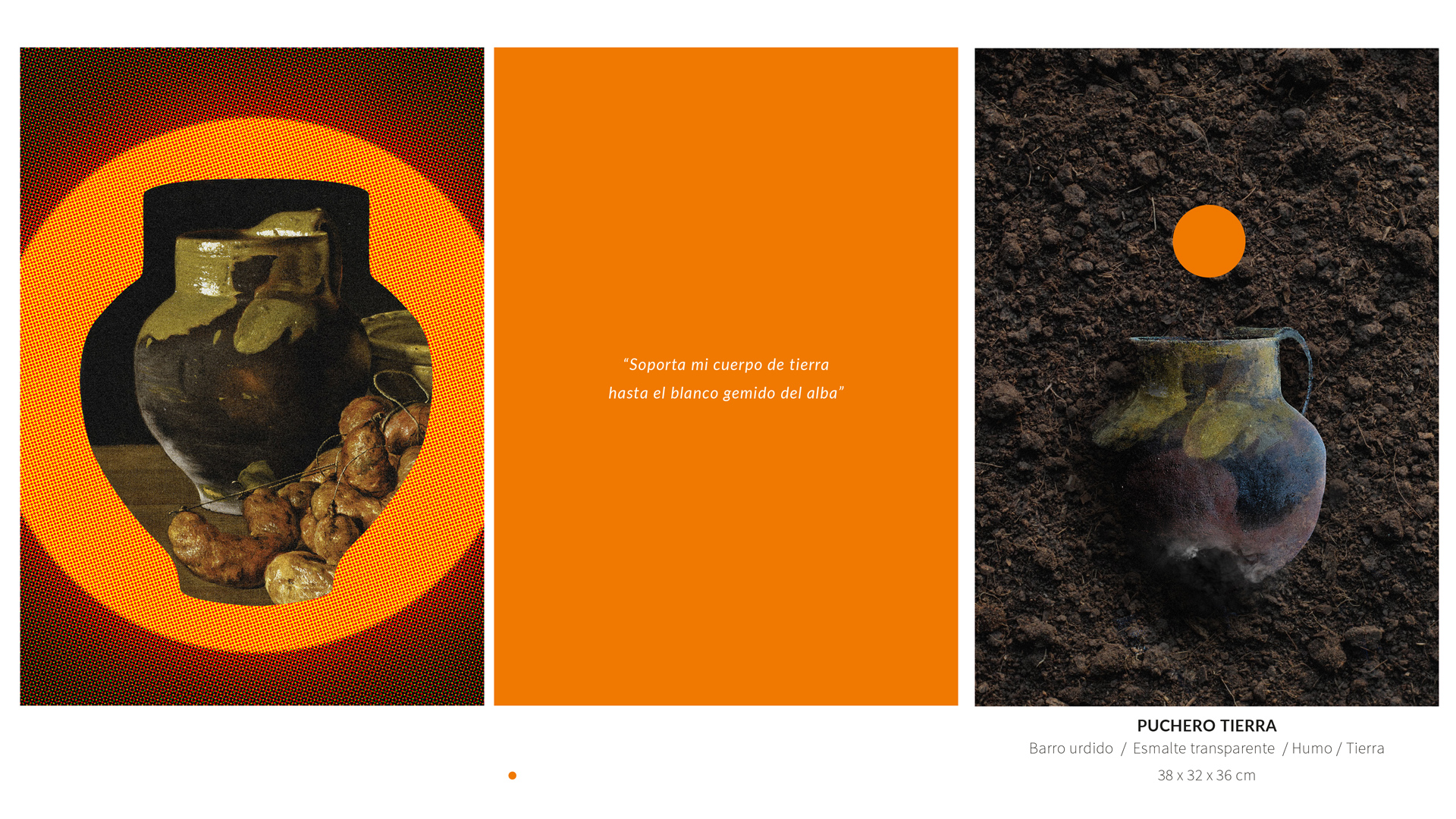
In 1788, 90% of the population of Alcorcón depended on pottery.

Despite significant ceramic production, the lack of profitability, frequent breakages during transportation, and the need to import firewood from distant areas did not help local economic development.

II
LORCA Y LOS CUATRO ELEMENTOS
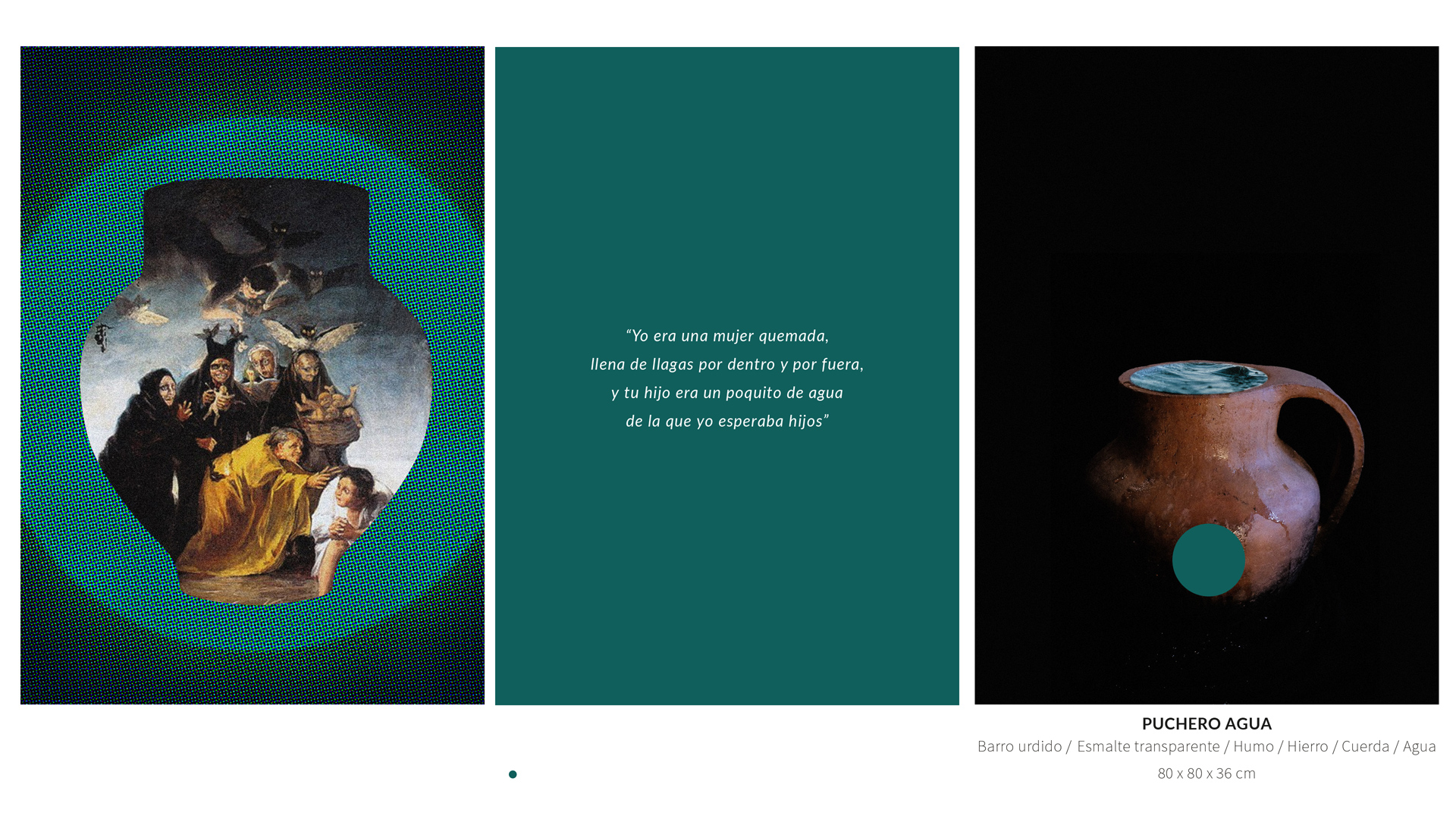
Agua

«El agua va a aparecérsenos como un ser total:
tiene un cuerpo, un alma, una voz.
Quizá más que cualquier otro elemento,
el agua es una realidad poética completa».

“El agua y los sueños”
Gastón Bachelard

The pottery tradition in Spain has maintained close ties with superstition and rituals throughout the centuries.

The production of Spanish ceremonial ceramics is distinguished by its simplicity and modest typology, reflecting parallels with the poetry of Federico García Lorca, who explored the underlying truth of things through the mythical universe that inhabited them.

III
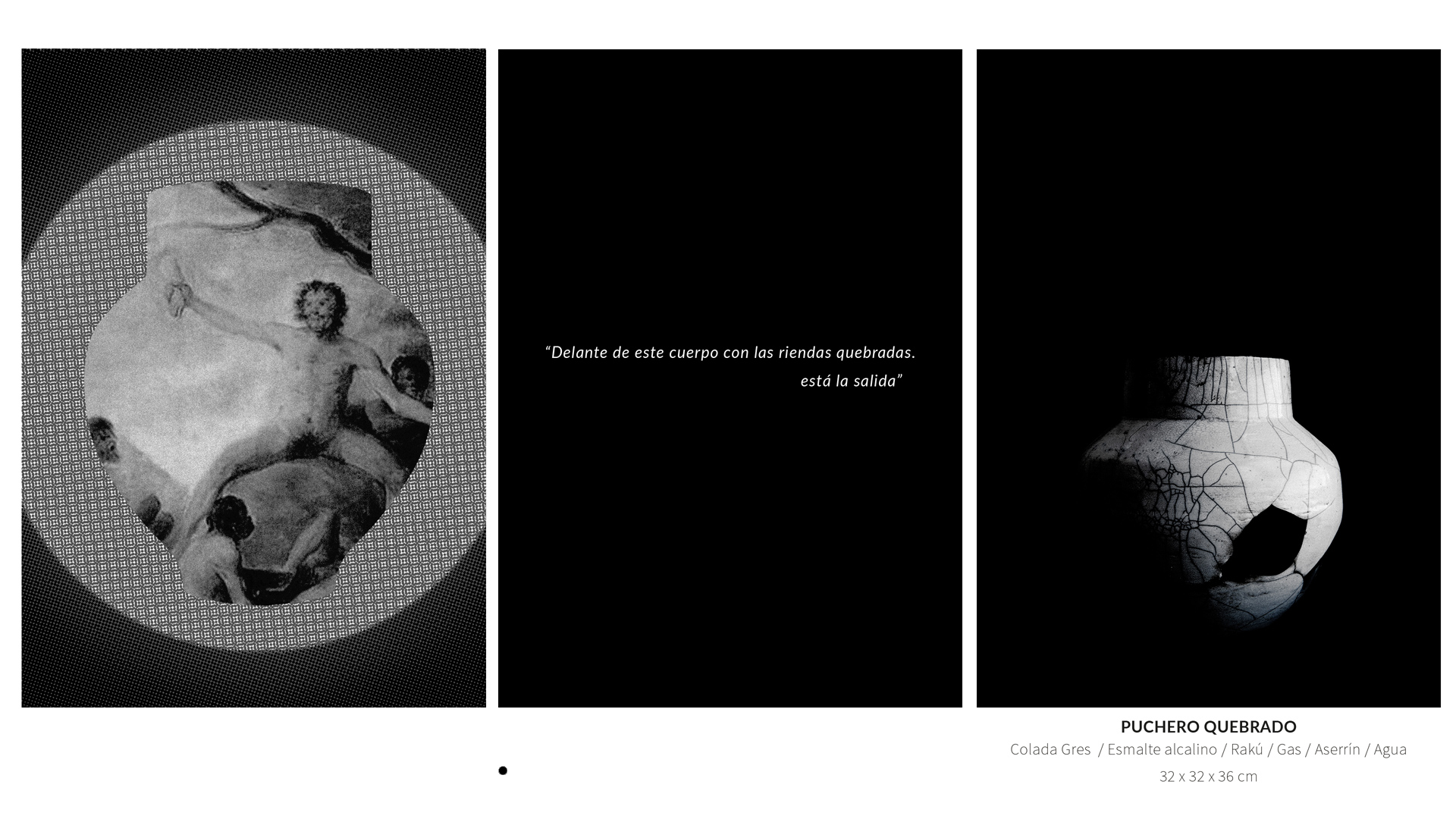
PINTURAS NEGRAS DE GOYA
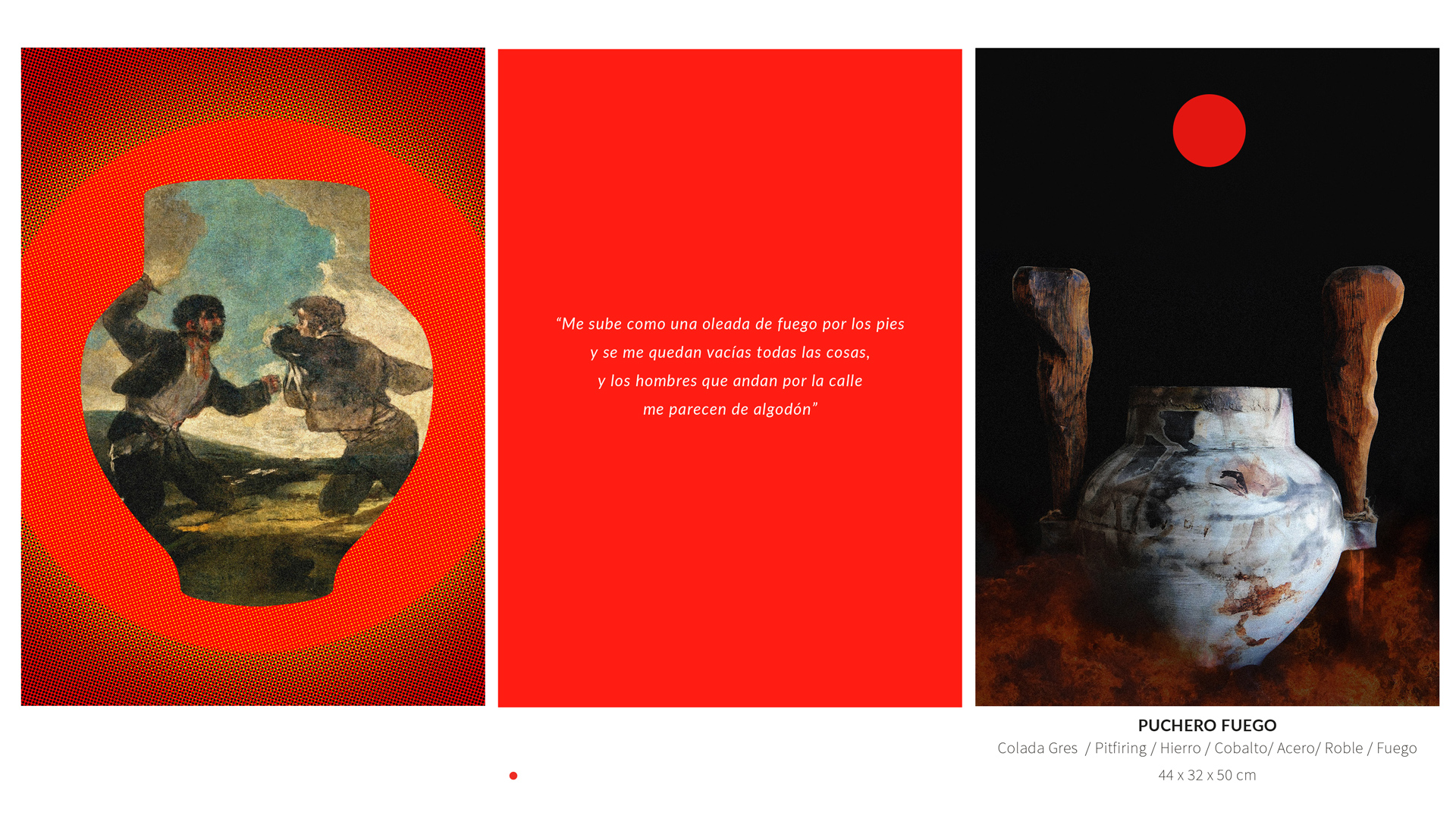
Fuego

«El fuego es el único de los cuatro elementos
al que se pueden atribuir los valores opuestos de bien y mal.
Brilla en el Paraíso. Arde en el Infierno. Es gentileza y tortura.
Es hogar y es apocalipsis, es bienestar y es respeto.
Es una divinidad autoritaria y terrible, tanto buena como mala.
Puede contradecirse a sí mismo; por lo tanto,
es uno de los principios de la explicación universal».

“Psicoanálisis del fuego”
Gastón Bachelard

In the 18th century, pottery changed into male hands, and female potters of Alcorcón had to migrate.

In Spain, the restoration of the absolutist monarchy in 1814 brought social upheaval. Francisco de Goya reflected this turbulence in his Black Paintings, capturing the conflict and disillusionment of the time.

Desperate due to the lack of political reforms, he finished them at the age of 75, with no initial intention of exhibiting them. Despite his silence about their meaning, the works were transferred to canvas, although many suffered damage during restorations.

IV
IDENTIDAD ESPAÑOLA
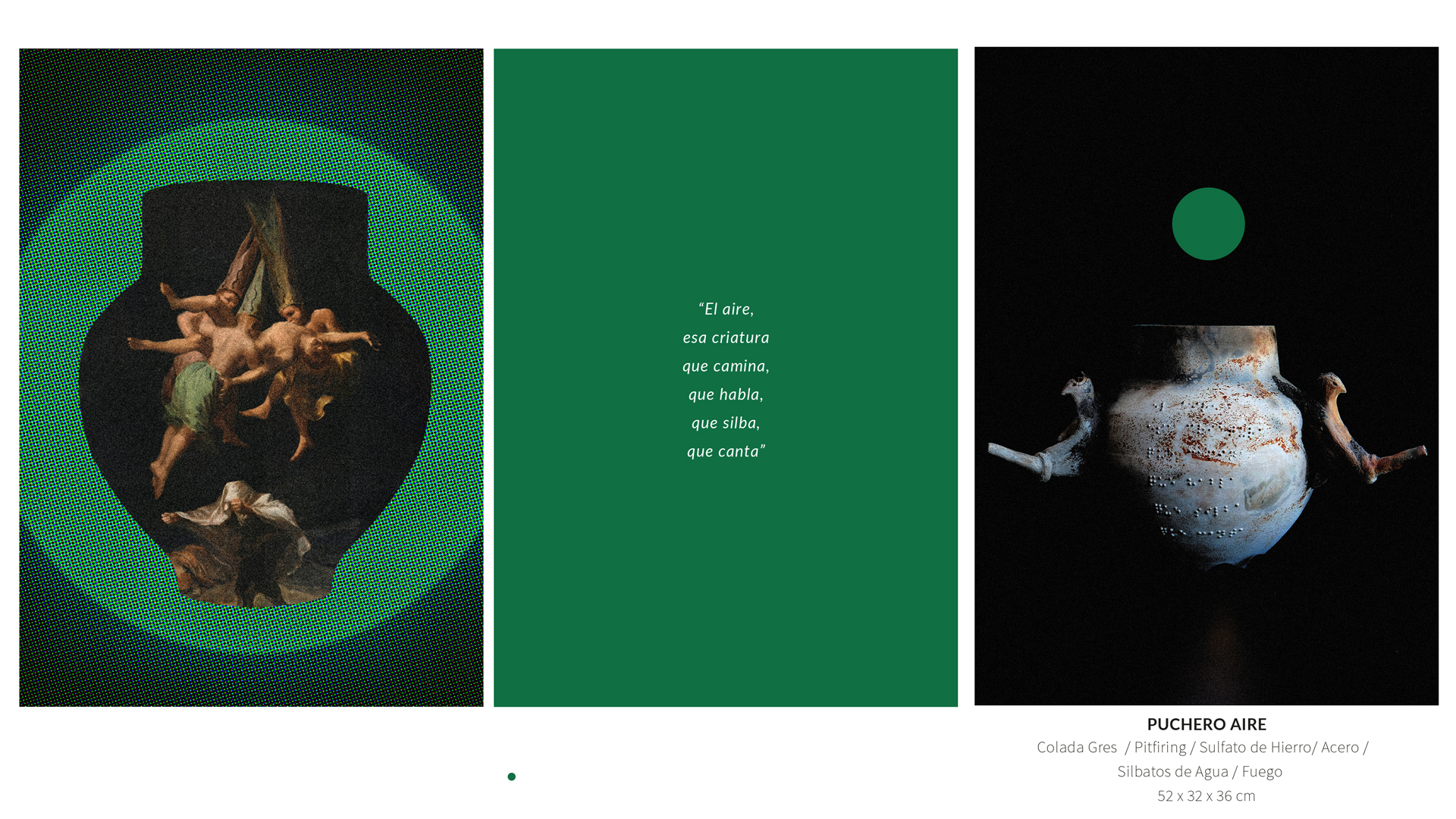
Aire

«El aire puro es conciencia del instante libre,
de un instante que abre un porvenir».

“El aire y los sueños”
Gastón Bachelard

Goya and Lorca contributed to the exploration of national identity in their works.

Goya showed the country’s transformation, while Lorca celebrated its cultural customs. Both artists sought to innovate in their art and perceived Spain as a nation in constant evolution and conflict, between tradition and progress. Goya was exiled to France and Lorca was assassinated by Franco forces in 1936. Despite their fates, the great lasting impact of their legacies on a global level reflects the depth and complexity of Spanish history and culture.

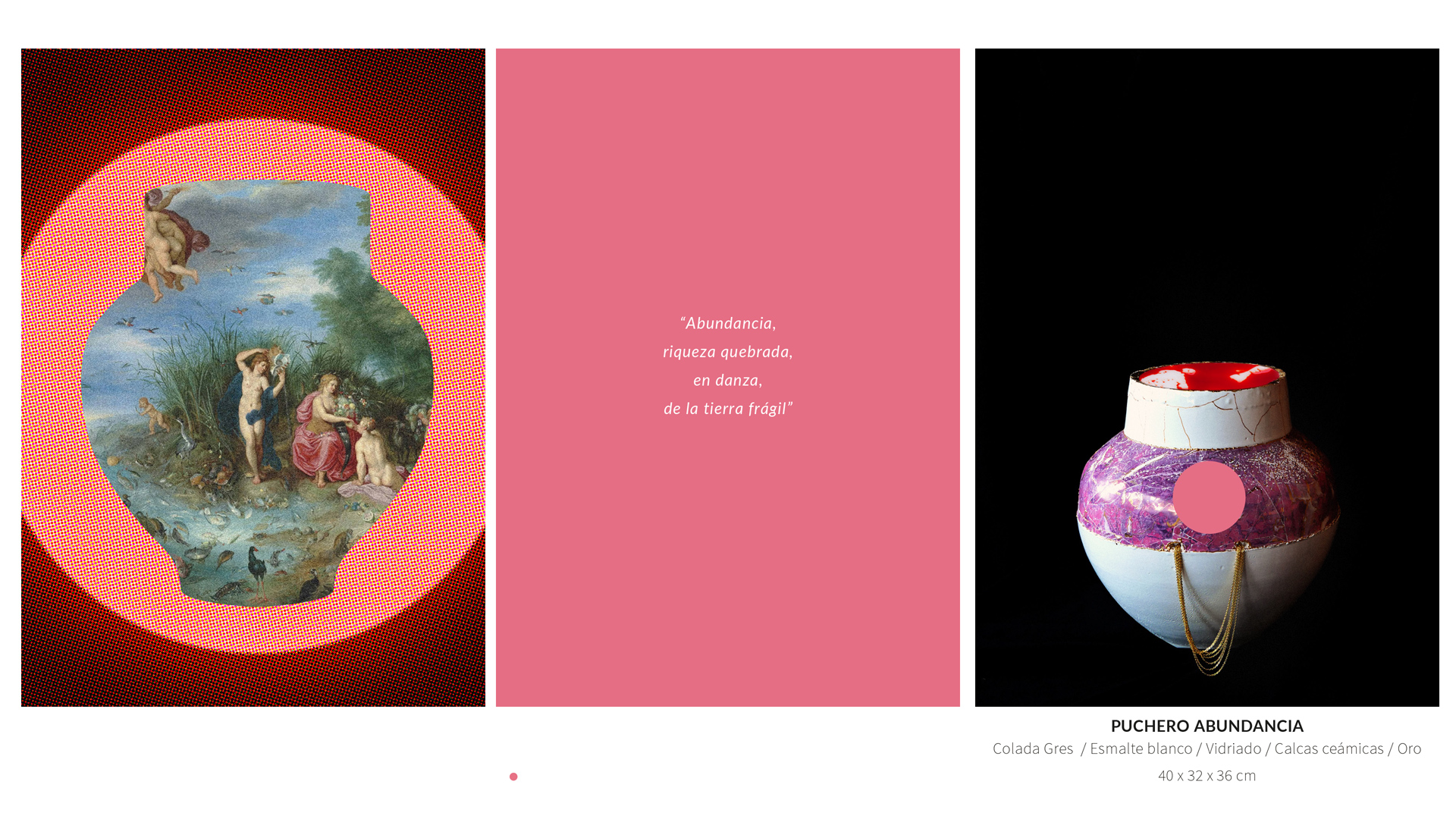
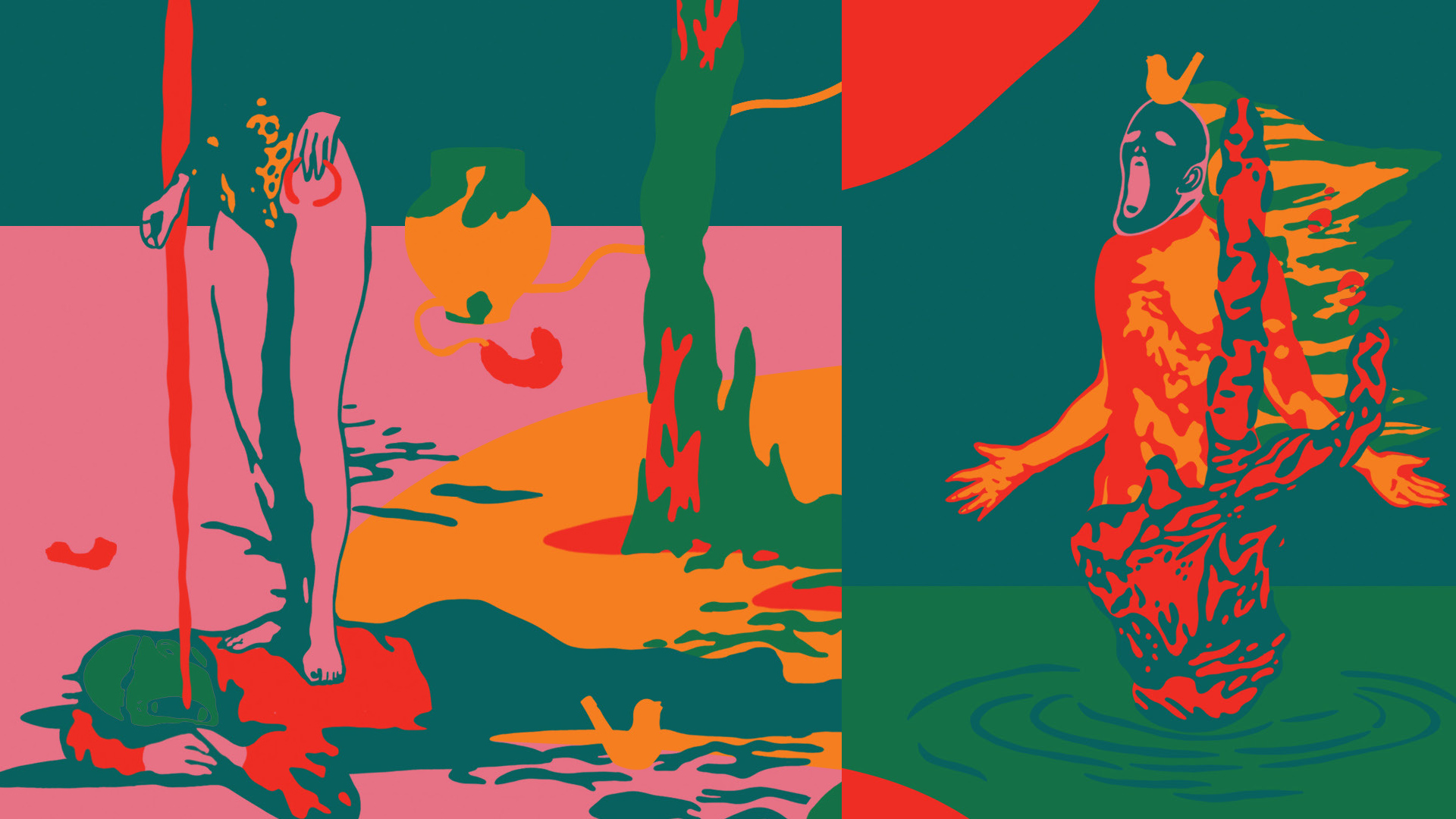
ABUNDÀNCIA

«La verdadera abundancia no se limita a la acumulación de bienes
materiales, sino que se encuentra en la armonía entre los seres humanos
y la naturaleza, en la satisfacción de necesidades reales
en lugar de deseos ilimitados, mientras se respetan los límites del planeta
y se busca el bienestar común».

“Los cinco elementos: Una cartilla de alfabetización ecológica”
Yayo Herrero

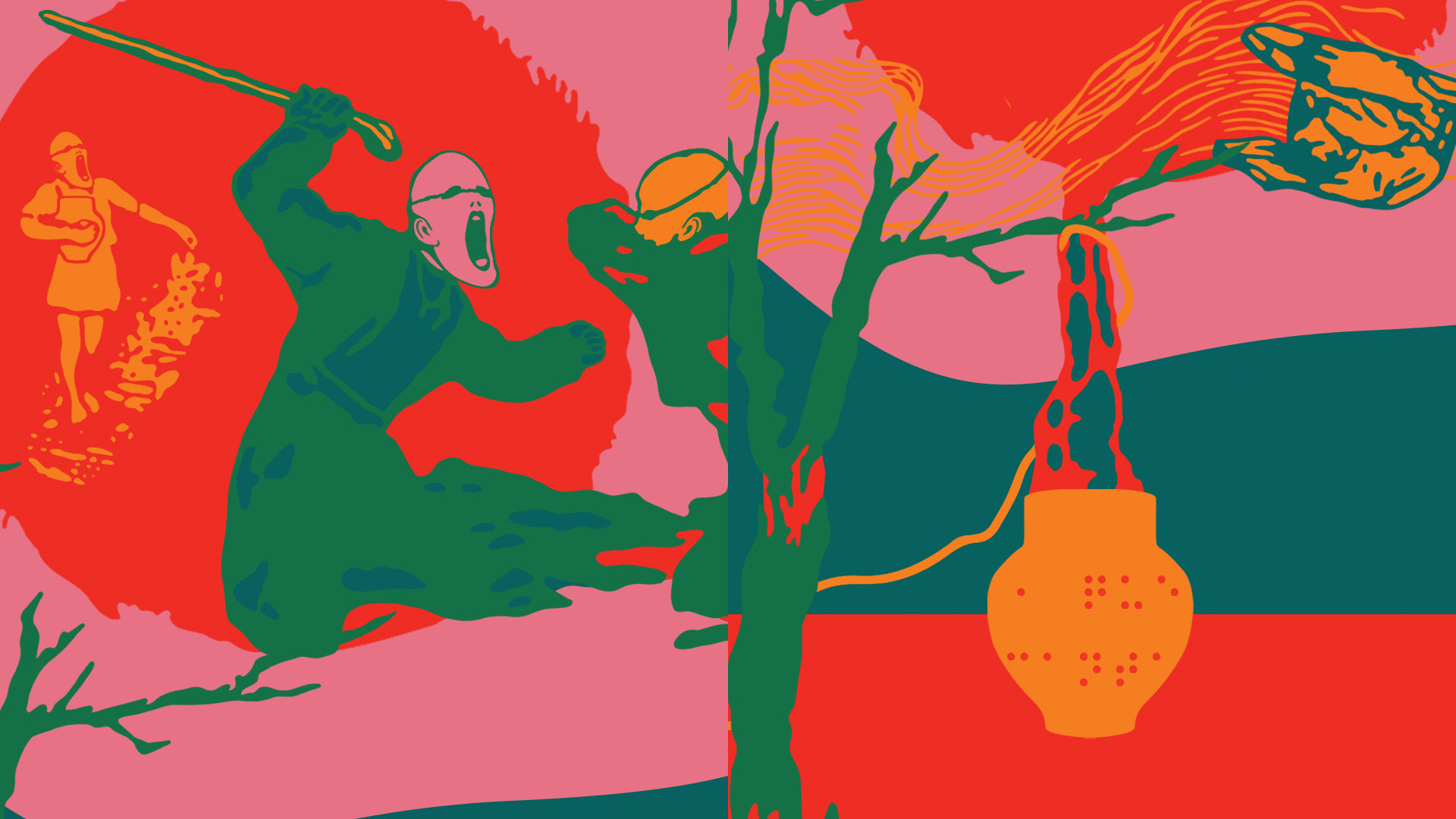
The Virgin of Remedies is the patron saint of Alcorcón. During a colonizing expedition in 1499 led by Alonso de Montálban, a crocodile chased them.

Montálban, a devotee of the Virgin of Remedies, asked for her help and she saved them. They found the figurine in a tree and took it to Spain. Rodrigo de Mendoza, a sailor from Alcorcón on the expedition, spread the miracle in his town, where a hermitage was erected in honor of the Virgin of Remedies.

In the Cathedral of San Cristóbal de La Laguna, the Altarpiece of Our Lady of Remedies contains seven panels attributed to Hendrick van Balen. Curiously, among the outstanding works of this painter is “Abundance and the Four Elements”, in collaboration with Jan Brueghel, and exhibited in the Prado Museum.

PUCHERO QUEBRADO

«Este puchero pretende encarnar
el simbolismo emocional de la identidad española,
intentando capturar con delicadeza su fragilidad,
intrincada complejidad y continua evolución»

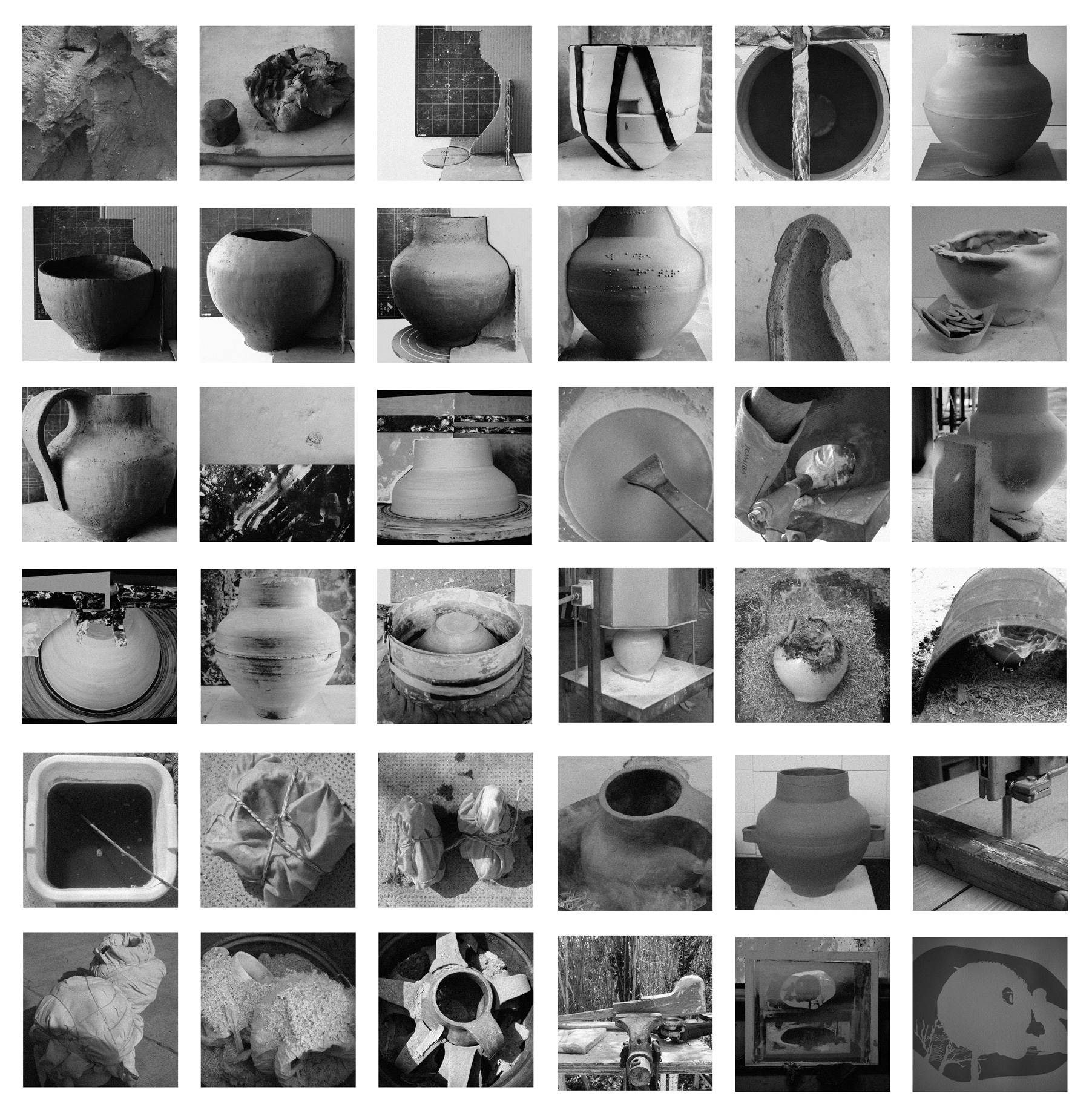
PROCESO

National identity, conceived as a social and cultural construction, frequently tends to exclude and homogenize, relying on selective historical narratives.

This tendency can marginalize those who do not fit the dominant mold and be politically instrumentalized to promote exclusionary agendas. A more pluralistic and open vision would be more equitable and in line with reality if it recognized and valued the diversity of experiences and perspectives present in contemporary society.

© Copyright - Lidia de Pedro